Fruit slots offer a straightforward appeal: bright symbols, quick spins and payouts readable at a glance https://benshulihulichicken.com/. Chicken Road adopts that grab-and-go clarity, then swaps reels for a lane-by-lane cash-out decision. We are reviewing what brings this game its value: how a round plays out, where the risk sits, what the multipliers do and how to evaluate whether a session is worth your your stake. We will not pretend it is a classic fruit machine, because it is not. Instead, we will handle Chicken Road as a single game with its own rhythm, and we will demonstrate you the details that are important before you press play.
How Chicken Road Works and the Way a Round Actually Plays
Chicken Road is an instant-win style game centered on a chicken crossing a busy road. You place a stake, start the round and watch the bird move from lane to lane. Each safe crossing raises the multiplier shown on screen, and you can cash out at any point before the next move. If traffic strikes the chicken, the round ends and the stake is lost. There are no spinning reels, paylines, wilds or scatters in the traditional slot sense; the tension comes from determining when to stop. That single choice is the heart of the game, and it is why the experience feels closer to a crash-style title than a fruit machine.
The pace is deliberately quick. We see short rounds, clear feedback and a multiplier that updates with every step, so you always know the current cash-out value. Some versions of Chicken Road may provide difficulty settings or lane patterns that change traffic speed and risk; check the in-game rules for the exact configuration you are playing. What stays consistent is the core loop: place a stake, advance, decide, collect or lose. That loop makes the game easy to learn but hard to master, because each extra lane adds reward and risk at the same time.
Theme , Display and the Street-Crossing Adrenaline
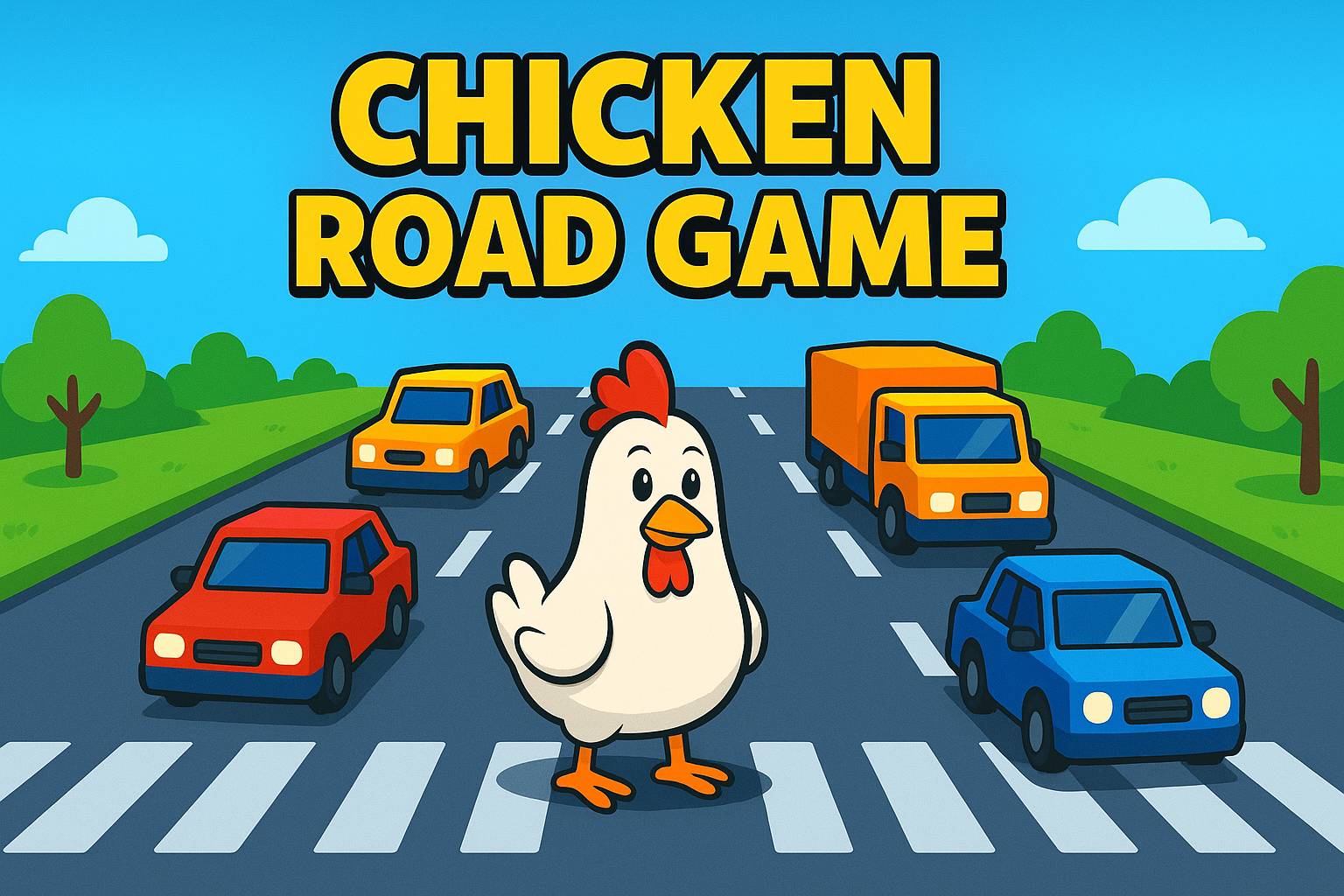
The design is immediately clear: a feisty chicken, traffic-filled lanes and a finish line that never stays still. We appreciate that Chicken Road does not hide its workings behind a cluttered interface. The odds, current stake and withdraw button are the highlights, while autos and street lines do the visual narration. That clear visuals counts in a game where a one click can shift the outcome. The comic aesthetic maintains the tone light, but the decision underneath is significant: every lane you take is a different bargain between a higher reward and a complete wipeout.
Soundscape and visual effects generally strengthen the pressure. We anticipate motor sounds, fast jumps and a victory sound when you cash out, plus a clear fail state when the chicken is struck. Those indicators are more than mere flair; they assist you monitor the session without staring at numbers. If you are gaming on mobile, check that the cash-out control is comfortably in reach and that the payout rate is big enough to read. The top-tier design in this genre eliminates uncertainty about the current state, so you can zero in on the only real question: take now or risk another lane?
Special Features, Multipliers and the Decision to Cash Out
Chicken Road does not depend on free spins, wilds or scatters the way a fruit slot does. Its primary feature is the growing multiplier, and the cash-out button is the control that converts a paper gain into a real return. We consider that is a strength: you are not waiting for a bonus round to start, because every lane is a mini-feature. Some builds may contain extra touches such as difficulty modes, special lane events or a maximum-step target, so check the rules panel for the version you are playing. The core bonus is always the same: survive another step and the potential payout grows.
The cash-out decision is where most of the value is won or lost. We apply a simple rule: decide before the round whether you are playing for quick, low multipliers or for a longer run, then adhere to it. If you have multiplied by two your stake, collecting is a entirely rational choice. If you are one lane from a target you established in advance, taking the risk can be warranted. What we steer clear of is altering the plan mid-round because of adrenaline. The multiplier is visible, the risk is apparent, and the only hidden factor is the next car.
Bet Range, Payout Structure and Maximum Win Potential
Chicken Road employs a bet slider instead of fixed coin values. Before each round, you select a stake that matches your budget, and the potential cash-out value changes from that stake. The exact minimum and maximum limits are shown in the game interface, so we recommend checking them in pounds before you start. Many instant-win titles start at low stakes and present a wide range, but we won’t quote a figure that may not match your version. The key point is that the multiplier pertains to your stake, so a £1 bet at 2x returns £2 before any deductions, while a £5 bet at the same multiplier returns £5.
Payout structure remains straightforward: the further the chicken travels, the higher the multiplier, and the cash-out button locks in that value. There are no paylines to count and no symbol combinations to memorise. The maximum win is generally restricted by the game rules, and that cap should be checked on the official page rather than assumed from a headline. We search for the max-win line in the paytable or help screen because it indicates whether chasing a huge multiplier is realistic. If the cap is modest, the smart play is to collect at sensible steps instead of chasing an impossible target.
Chicken Road does not represent a progressive jackpot game in the standard version we are detailing. There is no growing pool shared across players, and no separate jackpot trigger to chase. Instead, the top prize remains a fixed limit on the multiplier, and that cap is usually shown in the paytable or help screen. We favor that clarity because it lets us judge whether a long run is worth the risk. If you see a promotional claim about a huge jackpot, check whether it relates to a different game or a site-wide promotion, not to Chicken Road itself.
A Guide to Chicken Road: Step-by-Step and Useful Tips
We can take you through a standard round in a few steps. The specific buttons can differ slightly by version, but the sequence is steady: set a stake, start the crossing, watch the multiplier rise and choose when to collect. Use this checklist the initial time you play, and keep it nearby until the rhythm feels natural. It is also advisable opening the help screen before your first bet, because that is where the stated RTP, stake limits and max-win cap are normally listed. We also check the sound and animation settings so the cash-out control is easy to reach on mobile.
- Select a stake you are comfortable losing and confirm the bet amount before you start.
- Start the round and watch the chicken move one lane at a time; the multiplier changes with each safe step.
- Determine your cash-out target before the first hop, such as 2x or 3x, and treat it as a rule rather than a suggestion.
- Hit cash out when your target is reached; do not wait for one more lane just because the previous step felt effortless.
- Stop the session when you hit your loss limit or your win target, and check the help screen if any rule is unclear.
Practical tips are important more than superstition. We hold stakes flat rather than increasing them after a loss, because Chicken Road rounds are unrelated and a bigger bet does not improve the next lane. We also steer clear of playing when we are tired or rushed, since the cash-out decision needs a clear head. If you want to test a strategy, use the lowest stake available and treat it as a experiment rather than a profit plan. Finally, remember that the chicken can be hit at any step; no lane is safe, and the game is designed to make the next step inviting.
RTP, Variance and What These Figures Indicate for Your Bankroll
RTP is the long-term theoretical yield to players, shown as a proportion of total stakes. We consistently check the listed figure in the game’s information panel instead of believing a screenshot or a forum post. Chicken Road’s exact RTP must be verified on the official page or in the in-game rules, since versions and configurations can differ. As a general rule, instant-win and crash-style games frequently display RTPs in the mid-to-high 90s, but the number is not a guarantee for a single session. It represents an typical value over a very large number of rounds, so short-term results can swing far away from it.
Volatility is the second half of the equation. Chicken Road operates like a high-volatility game because the cash-out decision produces a wide spread of outcomes: cautious players collect small multipliers often, while aggressive players chase larger steps and endanger losing the stake. We consider that as a bankroll warning, not a shortcoming. If you desire longer sessions, set a stop-loss and a target before the first round, and decide in advance how many lanes you will pass before collecting. The game compensates discipline, so a clear plan is more beneficial than chasing a lost round.
How Come Chicken Road Proves Worth It — and At What Point to Walk Away
What is it that makes a game like Chicken Road worth it? We rate it for the identical reasons people enjoy simple fruit slots: the rules are simple, the round is swift and the result is straightforward to understand. Chicken Road adds a layer of control that a pure slot doesn’t provide, because you decide when to stop. That control is real value if you apply it properly. It is by no means a guarantee of profit, and it does not remove the house edge. What it provides is a clear risk decision on every lane, which is greater than many games provide.
We also understand when to walk away. If you have blown your pre-set limit, stop; if you have reached a target and the urge to chase is strong, stop. The game will remain available later, and the multipliers do not remember your last round. We suggest short sessions with breaks, especially because the fast pace can make ten minutes seem like two. Review the official page for the specific rules, RTP and maximum win before you play, and handle any bonus or promotional claim with caution. Worth it implies entertaining within your budget, not chasing a number that continues shifting.
Our value test is straightforward. Before you play, consider whether the stake fits your entertainment budget, whether you understand the cash-out rule and whether the published RTP and max win are simple to find. If the answer to any of those is no, pause. A game is worth it when the rules are clear, the risk is limited and the session finishes on your terms. Chicken Road can pass that test for players who like fast decisions and visible multipliers; it misses it for anyone hunting losses or treating a cartoon chicken as a sure thing.